
Business
The ‘Musk selloff’ deepens as Tesla and SpaceX combine for $450 billion two-day wipeout
By Marcus Chen
Advertisement · Why this ad?
Marcus manages the day-to-day editorial workflow across all brands, coordinating coverage assignments and ensuring editorial standards are met. He previously served as city editor at the Pioneer Press and holds a degree in Political Science from Carleton College.
More from Marcus →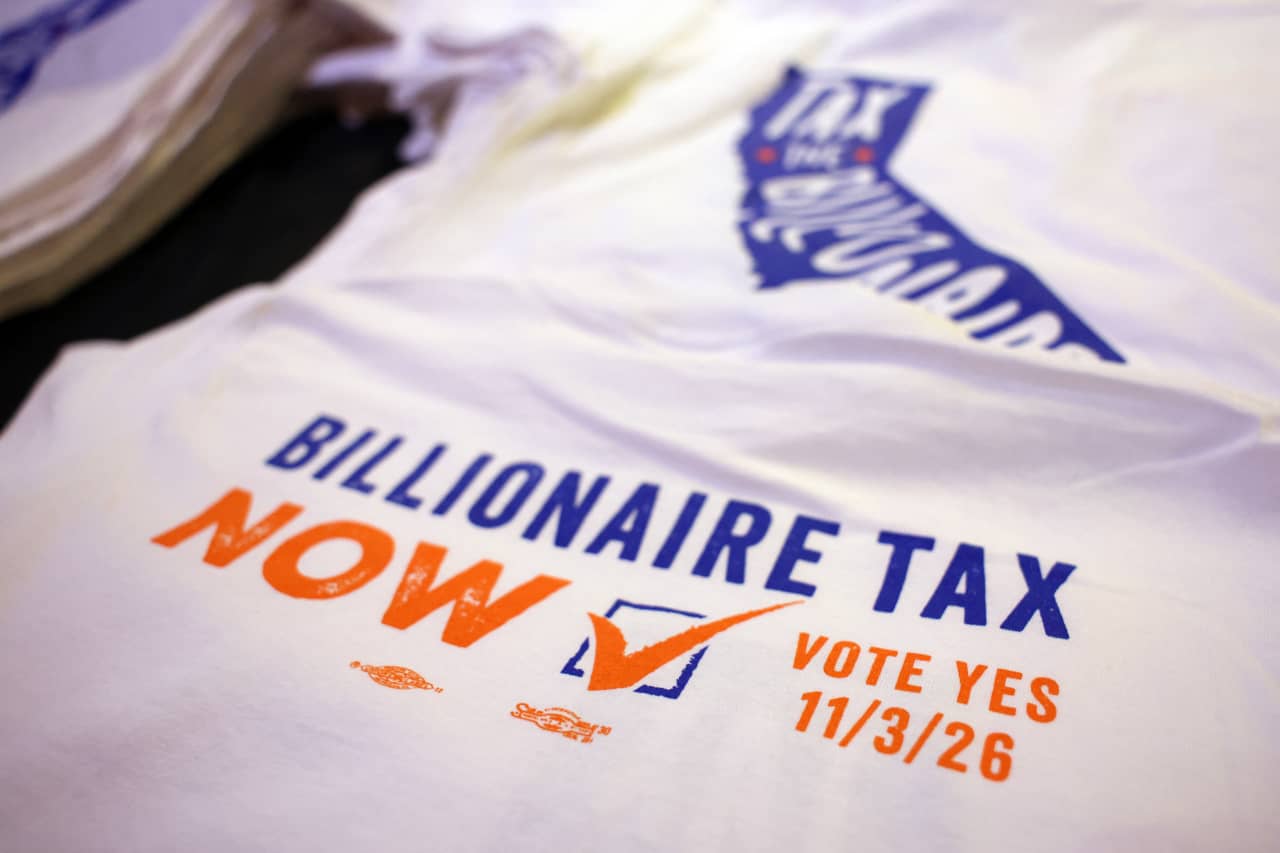
As the sun sets over Silicon Valley, a group of tech moguls gathers for a lavish fundraiser, their laughter echoing against the backdrop of their multi-million dollar estates. This scene, emblematic of the wealth concentration in California, underscores a growing tension between the ultra-rich and the state’s tax policies. In a decisive move, California voters rejected a proposed wealth tax that would have targeted billionaires, but the implications of that decision extend far beyond state lines.
In a recent election, California voters decisively shot down a proposed wealth tax aimed at the state’s billionaires. The initiative, which sought to impose a tax on unrealized capital gains, was met with fierce opposition from the tech industry and wealthy residents who flooded the airwaves with ads warning of economic doom. Despite the overwhelming financial might of Silicon Valley’s elite, the defeat of the wealth tax has not silenced the conversation about tax reform.
Democratic leaders at both state and national levels are now considering alternative approaches to taxing wealth. Incoming legislators are eyeing the possibility of a national wealth tax, which could target billionaires across the country, not just those in California. This shift reflects a broader movement among Democrats to address income inequality and ensure that the wealthiest Americans contribute their fair share.
California’s wealth tax proposal was not just a local issue; it was a litmus test for how far Democrats might go in their pursuit of tax reform. The defeat of the measure may embolden some lawmakers while discouraging others who fear backlash from wealthy constituents. The stakes are high, as this could set a precedent for future tax initiatives across the nation.
Reactions to the failed wealth tax have been mixed among Californians. Many working-class residents express frustration over the fact that billionaires continue to evade higher taxes while they shoulder the burden of funding essential services. “It’s disheartening to see the wealth gap grow wider,” said Maria Gonzalez, a single mother working two jobs to make ends meet. “We need a system that holds the rich accountable.”
On the other hand, some business leaders argue that higher taxes on the wealthy could stifle innovation and economic growth. “California thrives on the entrepreneurial spirit,” said tech entrepreneur Jake Lin, who believes that taxing billionaires could drive them out of the state. “We need to incentivize success, not penalize it.”
The divide in opinion is palpable. Community leaders like Reverend James Carter emphasize the need for a balanced approach. “We must find a way to support our most vulnerable while also fostering an environment where businesses can thrive,” he stated. “It’s about finding common ground.”
Local activists, such as those from the grassroots organization Tax the Rich Coalition, have been vocal in advocating for a wealth tax. They argue that without such measures, the state’s infrastructure and public services will continue to deteriorate. “Our schools are underfunded, and our roads are crumbling. It’s time for the wealthy to step up and contribute their fair share,” said coalition leader Angela Martinez.
As discussions continue, the impact of these tax policies will be felt by families and businesses alike, shaping the future of California’s economy. The contrasting views highlight the complexity of the issue, where economic growth and social responsibility must be balanced.
Looking ahead, the conversation about wealth taxation is far from over. With Democrats gaining momentum in Congress, a national wealth tax could become a reality. Lawmakers are already drafting proposals that would impose a tax on the ultra-wealthy, similar to those seen in countries like France and Spain. This international perspective adds a layer of urgency to the debate, as advocates point to successful models abroad as examples of how to address wealth inequality.
Experts predict that a national wealth tax could generate significant revenue, potentially funding crucial programs such as education and healthcare. “We have a unique opportunity to address income inequality on a national scale,” said economist Dr. Emily Chen. “It’s time to have a serious conversation about how we tax wealth in this country.”
However, the path to implementation will not be smooth. Opposition from wealthy individuals and their lobbyists is expected to be fierce, and the political landscape remains contentious. The outcome will depend on whether Democrats can unify their party around a cohesive tax strategy that resonates with voters across the spectrum.
Moreover, the ongoing economic recovery from the pandemic adds another layer of complexity. Many lawmakers are concerned about how a wealth tax might affect the already fragile economy. As discussions unfold, it will be crucial for policymakers to consider the potential repercussions on job creation and investment.
The implications of a national wealth tax extend beyond politics; they directly affect communities across the nation. For families struggling to make ends meet, the prospect of increased funding for social services could be life-changing. “If we can get more resources for schools and healthcare, it would make a huge difference for us,” said Gonzalez.
Additionally, a wealth tax could help address systemic inequalities that have persisted for generations. “It’s about creating a fairer society where everyone has access to opportunities,” noted Reverend Carter. “We need to invest in our communities, and that starts with taxing those who can afford it.”
Local businesses, particularly those in underserved areas, could benefit from increased funding for public services and infrastructure. This could lead to a revitalization of communities that have long been neglected, fostering an environment where entrepreneurship can flourish.
In many ways, the debate over wealth taxation is a reflection of broader societal values. It raises questions about responsibility, community support, and the role of government in addressing inequality. As families grapple with rising living costs and stagnant wages, the urgency for action grows.
Ultimately, the outcome of these discussions will shape the future of American society. Will lawmakers prioritize the needs of their constituents, or will they continue to cater to the interests of the wealthy? The stakes are high, and the coming months will be critical in determining the direction of tax policy in the United States.
For residents seeking to understand the implications of these tax policies, several resources are available. The IRS provides information on federal tax regulations, while the U.S. Census Bureau offers data on income inequality. Community organizations like United Way work to support families in need and advocate for equitable policies.
Additionally, local advocacy groups are mobilizing to raise awareness about the importance of fair taxation. Residents can get involved by reaching out to organizations like ACLU and Common Cause, which focus on promoting social justice and government accountability.
As the debate rages on, it is crucial for residents to stay informed and engaged. The future of tax policy will impact their lives directly, and active participation in the democratic process is essential for fostering change.
In conclusion, while California’s wealth tax may have been defeated, the conversation about wealth taxation is just beginning. As lawmakers look to the future, the voices of everyday Americans will play a vital role in shaping policies that affect their lives.
By Marcus Chen

By Katherine Langford

By Katherine Langford

By Marcus Chen